
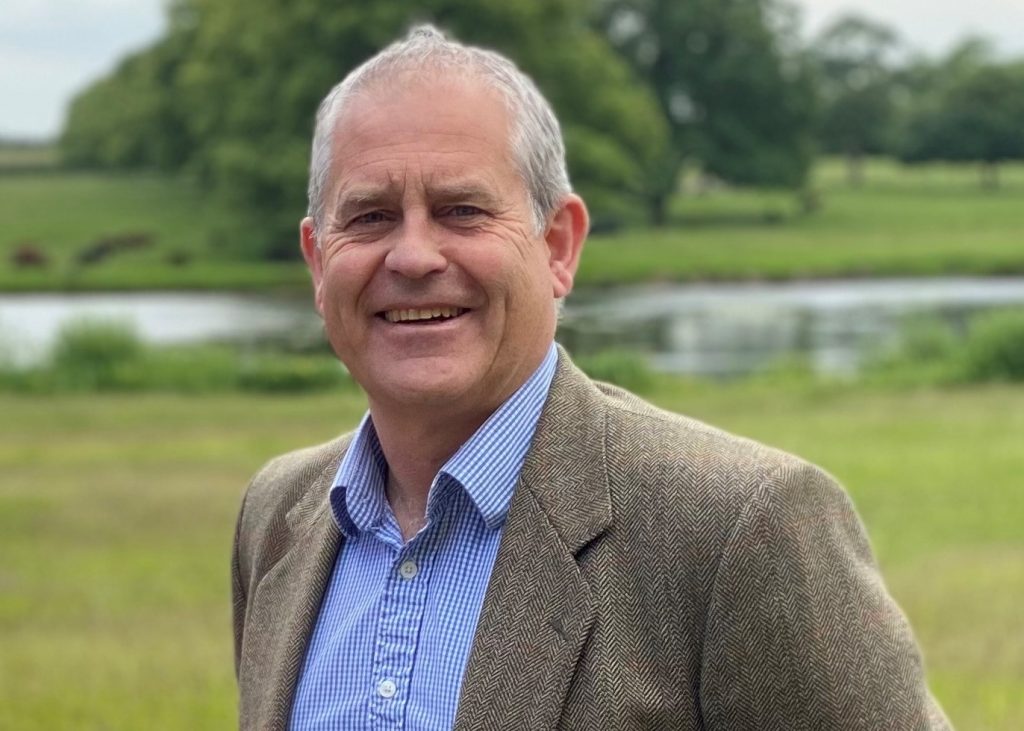
Farmers are being urged to review their fire prevention and emergency procedures as the 2026 harvest gets under way amid tinder-dry conditions, increasing incidents of arson and the prospect of another nationwide heatwave. Ed Davey, rural insurance specialist and director at Dallas Scott Davey (DSD) in Lincoln, has issued the warning following a series of devastating agricultural fires.
Ed said: “At DSD throughout the 2025 harvest, we dealt with combine, baler, stack and standing crop fires. The common theme among those affected was the terrifying speed at which events unfolded. Within minutes, and sometimes seconds, normality was replaced by utter chaos.”
He emphasised that whilst quick thinking can lessen the impact of a fire, decisions made in the heat of the moment must never compromise personal safety. “These incidents often occur when operators are working in temperatures of around 30°C, are tired, under pressure and concentrating on many tasks at once,” Ed said.
Preparation, he believes, is the most effective defence. “Spending an hour developing an emergency action plan and discussing it with staff and neighbours can make a substantial difference. Community responses, such as arranging for water bowsers to support attending fire crews, can prove invaluable.”
Ed also highlighted the importance of routine machinery servicing, daily cleaning and blow-downs, ensuring that every vehicle carries a functioning fire extinguisher and keeping cultivation equipment readily available to establish fire breaks if required.
“Operators who are alert, informed and prepared are best placed to respond safely. Simple management measures such as ensuring adequate rest, hydration and cool working conditions can promote calm decision-making during an emergency. Familiarity with emergency plans, digital navigation and What3words can also save valuable time.”
Further risk reduction can be achieved through careful stack siting and spacing, maintaining good ventilation in stores, carrying out pre-season servicing of combines and grain driers, and undertaking electrical inspections in accordance with wiring regulations. DSEAR risk assessments to address the danger of dust explosions are also increasingly expected by both insurers and the Health and Safety Executive.
Ed concluded: “Forethought and preparedness go a long way towards dealing with the worst-case scenario should it occur. Insurance can help address the financial consequences of a disaster, but it cannot remove the trauma experienced by farming families and their teams. Above all, stay safe and be prepared.”
For expert agricultural and commercial insurance advice, contact Dallas Scott Davey in Lincoln on 01522 449711 or visit www.tldallas.com/dallas-scott-davey.